
%401x.svg)


Article
Coco Chanel: The Enduring Legacy of Rebellion, Reinvention, and Timeless Elegance
From its revolutionary origins with Gabrielle Chanel to its modern reinterpretation under Karl Lagerfeld, the house of Chanel has consistently shaped the landscape of luxury fashion, embodying timeless elegance and innovation.
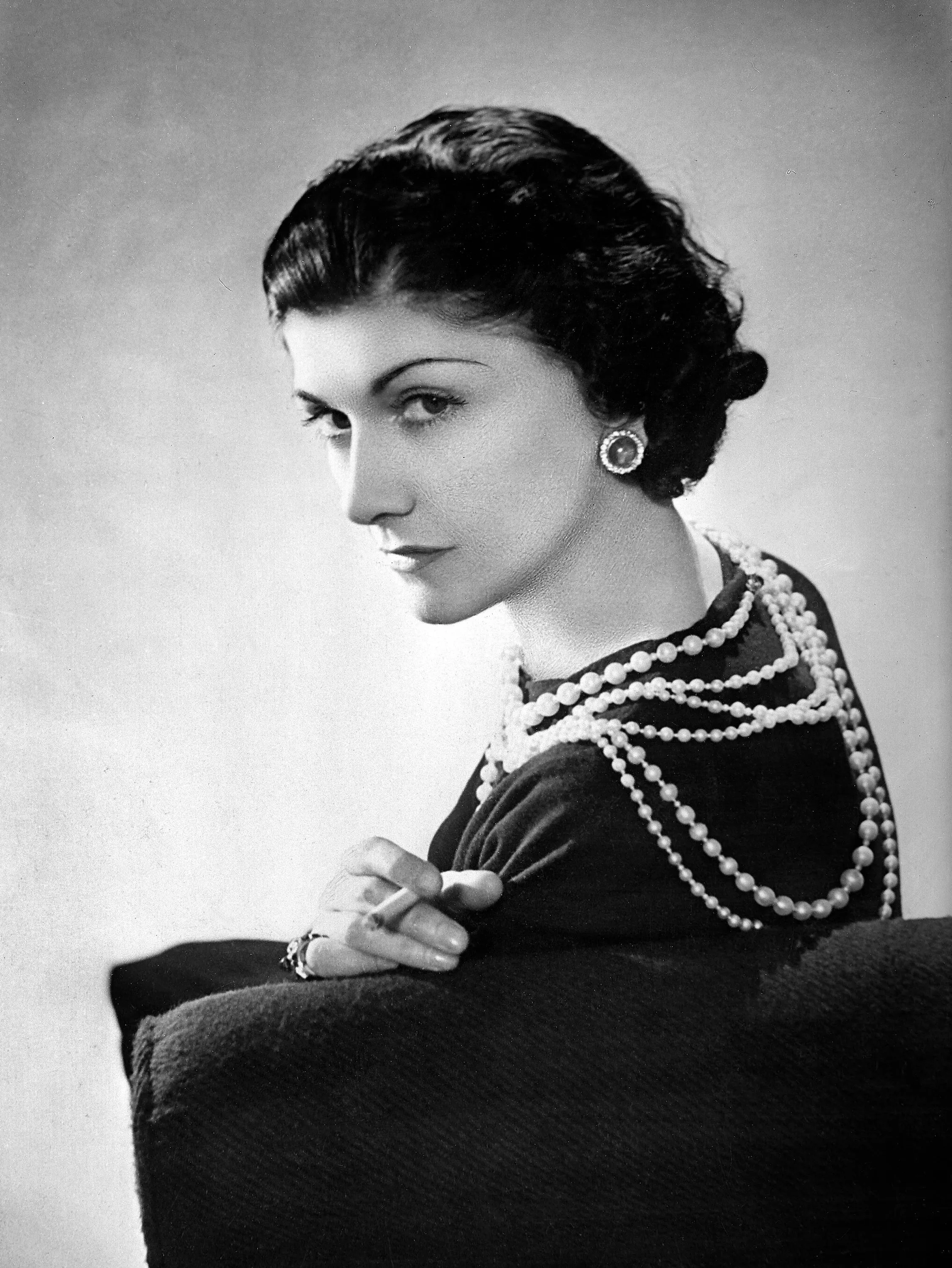
The narrative of Chanel begins with Gabrielle Bonheur Chanel, born in 1883 in Lamur, France. Her early life, marked by adversity and the austere environment of a convent orphanage, inadvertently forged a spirit of defiance and an independent vision. This formative period, characterized by the stark simplicity of the nuns' attire, subtly influenced her later aesthetic, which championed clarity and understated elegance over prevailing opulence. Her initial foray into the professional world included work as a sales assistant and a café singer, where she acquired the moniker "Coco." It was during this time that she encountered Étienne de Balsan, a textile heir, whose support facilitated her entry into the world of fashion, beginning with innovative millinery designs that quickly garnered attention.
Chanel's burgeoning reputation led her to Paris and Deauville, where she established her first boutiques in the early 20th century. Her designs represented a radical departure from the corseted silhouettes dominant at the time, introducing a liberating aesthetic centered on comfort and fluidity. Utilizing jersey, a fabric previously confined to menswear, Chanel crafted garments that emphasized natural lines and ease of movement, fundamentally redefining women's attire. The 1920s solidified her status as a visionary, marked by the opening of her flagship boutique on Rue Cambon and the launch of the iconic fragrance, No.5. Her introduction of the "little black dress" transformed a color traditionally associated with mourning into a symbol of chic sophistication, making it an indispensable element of the modern woman's wardrobe. Further innovations included the integration of opulent costume jewels with more understated apparel, showcasing a playful yet refined approach to accessorizing.

Following a hiatus during World War II, Chanel staged a remarkable return in 1954, introducing the tweed suit, which quickly became a hallmark of refined power dressing, embraced by influential figures such as Jackie Kennedy and Grace Kelly. This period also saw the debut of the 2.55 Flap Bag in 1955, a design that revolutionized women's accessories with its practical shoulder strap, blending utility with elevated style. Upon Gabrielle Chanel's passing in 1971, the house faced the challenge of continuing its founder's formidable legacy. Karl Lagerfeld assumed the creative directorship in 1983, embarking on a mission to revitalize the brand while honoring its foundational principles. Lagerfeld masterfully reinterpreted Chanel's iconic motifs—from the interlocking C's and tweed fabrics to quilted leather and pearl embellishments—infusing them with a contemporary sensibility. His designs, often drawing inspiration from the brand's archives, ensured Chanel's enduring relevance, attracting a new generation of admirers and solidifying its position at the pinnacle of luxury fashion through collaborations with muses like Princess Diana and Claudia Schiffer. The appointment of Virginie Viard as creative director marks a new chapter, continuing the brand's evolution under female leadership.
#OnTheLUXELIST:
Chanel's enduring narrative exemplifies how a brand can perpetually redefine elegance by balancing foundational heritage with a forward-looking vision, influencing broader cultural perceptions of luxury and personal expression.


Latest




Subscribe to our weekly update.




.png)
On social media


Plans

The is the Premium Dose Of LUXE LIST
Become a LUXE LIST Premium insider to get access to exclusvei Dose of Luxe newsletter content