
%401x.svg)


Article
A Triumph of Timeless Mastery: Celebrating the World’s Finest Asian Art and Artifacts at Auction
Explore a curated selection of masterworks spanning South Asian, Chinese, and Japanese traditions, showcasing centuries of artistic innovation and cultural legacy across diverse mediums.
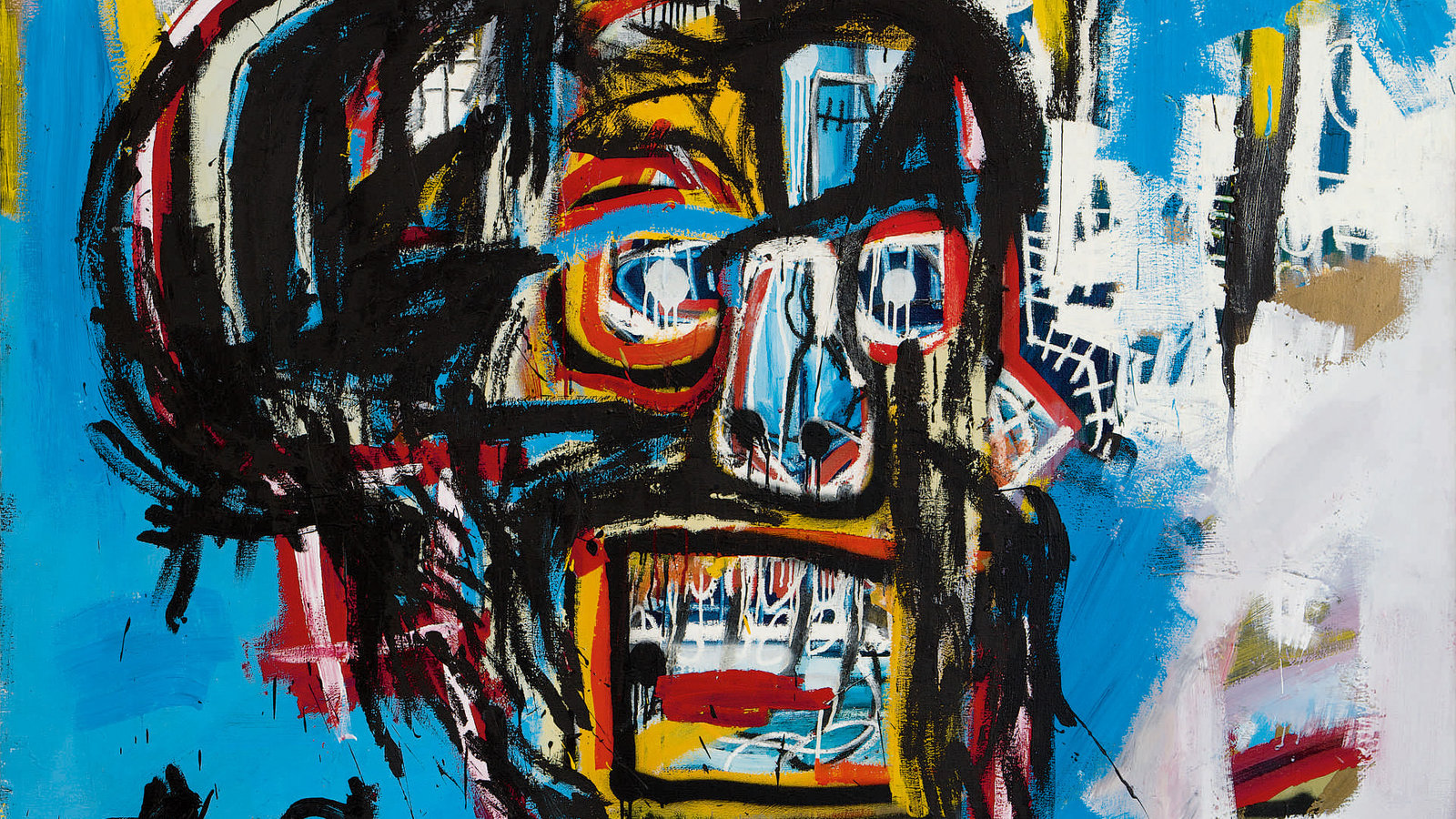
The Modern & Contemporary South Asian Art auction, held on March 17, features a distinguished array of paintings, sculptures, and works on paper. Among the leading pieces is Jagdish Swaminathan’s monumental "Homage to Solzhenitsyn," an early triptych from his renowned Bird and Mountain series. This work, conceived as a tribute to Aleksandr Isayevich, conveys the resilience of the human spirit through a vibrant landscape of blue, amber, and purple hills beneath a bright yellow sky. Also featured is Jehangir Sabavala’s "The Journey of the Magi," painted in 1963, a period critical to the development of his mature style. Sabavala reinterprets the biblical narrative with a semi-abstract approach, masterfully employing light to animate the scene. Rao Bahadur Mahadeo Vishwanath Dhurandhar’s "Untitled" temple scene, a late-career masterwork, showcases academic realism with intricate details capturing ceremonial energy. Madhvi Parekh’s "Flower Seller" synthesizes traditional Pichhwai and modern influences, presenting an abstract figure amidst dynamic characters, reflecting market vitality. Bhupen Khakhar’s "Amitabh Wounded" and "Rekha at Nathadwara," commissioned for the Tate Modern, are double-sided works depicting Bollywood icons within complex, surreal narratives. Nicholas Roerich’s "Tangla Chain," painted during his Himalayan explorations, captures the region's majestic natural beauty with sharp white peaks against a cerulean sky. The Indian & Himalayan Art auction on March 20 further enriches this narrative with a magnificent 14th-century gilt-copper alloy figure of Shakyamuni Buddha from Central Tibet, notable for its exceptional size and quality. Other highlights include an 11th-century bronze figure of a Jain tirthankara from South India, embodying spiritual liberation, and the intricate miniature painting "Agony of a Dejected Lover" from the Gita Govinda series, which masterfully conveys emotional depth through its composition. A 17th-century Deccan painting, "Three Wondrous Birds," illustrates fables with vibrant imagery, while a portrait of Thangpa Chenpo, founder of Taklung monastery, represents the artistic zenith achieved in early Tibetan painting.
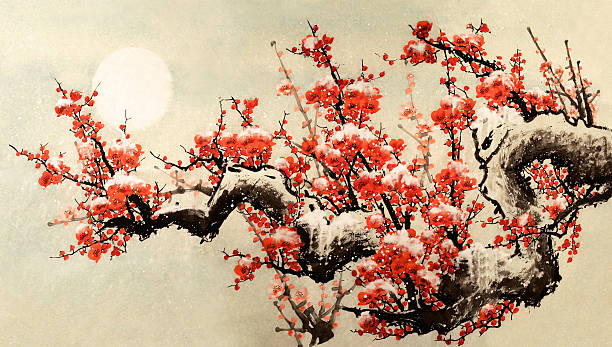
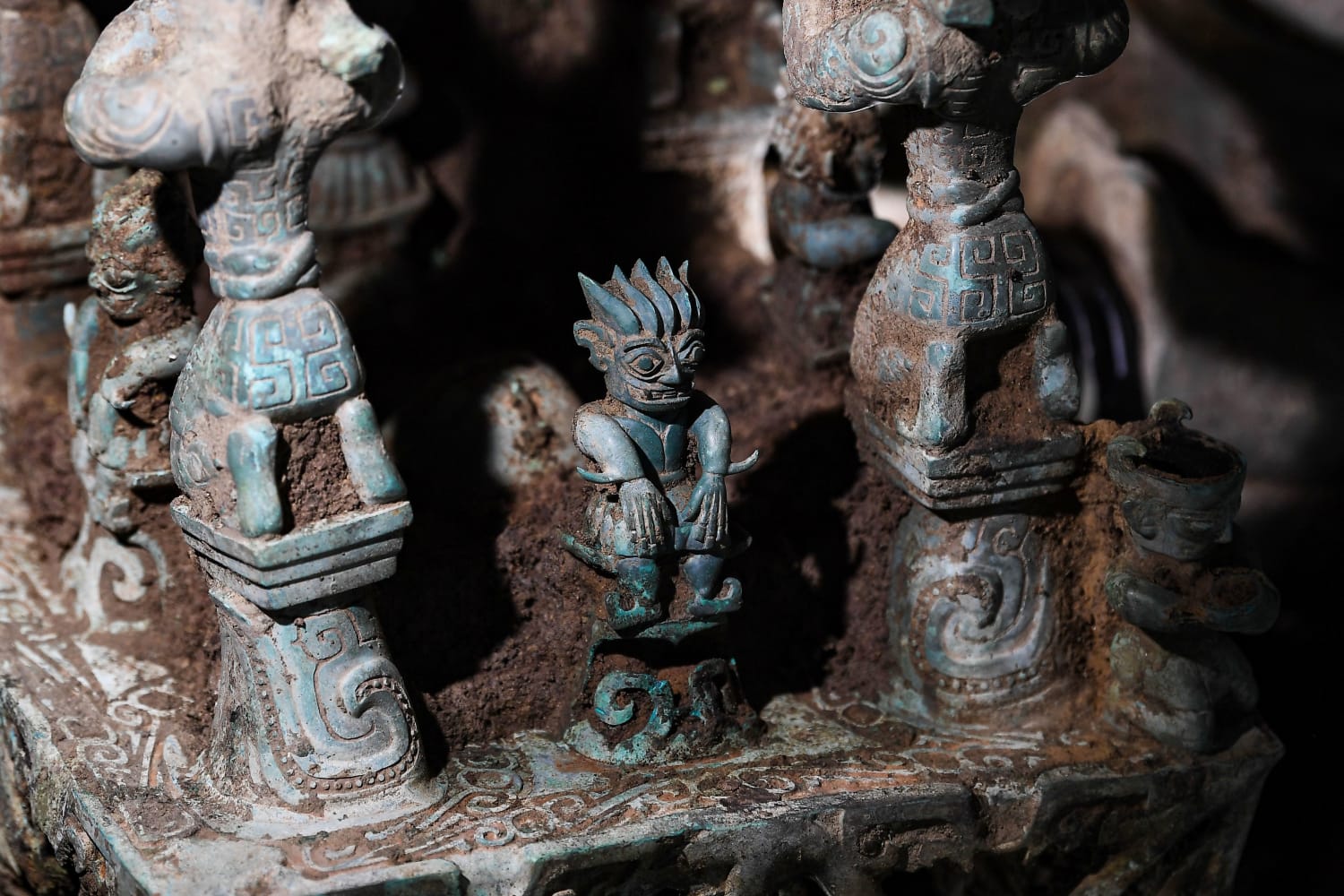
The Chinese Art auction, spanning March 18-19, presents a comprehensive collection of Ming and Qing porcelains, early ceramics, jades, and classical furniture. Significant deaccessions from institutions such as the Carnegie Museum of Art and the Newark Museum of Art underscore the collection's importance. A rare celadon-glazed hu-form vase from the Yongzheng Emperor's reign exemplifies the pinnacle of monochrome porcelain production, blending innovative glaze chemistry with reverence for antique forms. He Chaozong’s "Dehua" figure of Standing Guanyin, a 17th-century sculpture, radiates ethereal elegance through its delicate craftsmanship and luminous glazed surface, showcasing the artistry of Dehua artisans. An exceptionally rare "Jun" purple-splashed flowerpot from the early 15th century, with its vibrant pinks and royal purples, reflects the artistic vision of the early Ming court. A gilt-bronze "Dragon Head" handle from the Eastern Han Dynasty stands as a rare example of ancient metalwork, intricately cast with lifelike precision. The collection also features a magnificent "huanghuali" six-post canopy bed from the 17th century, an extraordinary example of aristocratic splendor and a focal point of private domestic settings during the Ming Dynasty.
From March 13-25, the Important Japanese Swords & Armor from the Paul L. Davidson Collection offers a profound exploration of Japan's warrior culture and its associated artistry. The collection is led by the "Mikazuki Kanemitsu," or Crescent Moon Kanemitsu, a tachi rediscovered by Paul L. Davidson and recognized for its historical significance, having been featured in the Uesugi sword register. This single-lot auction highlights the meticulous craftsmanship and provenance of these revered blades. The broader 74-lot auction includes examples registered as Tokubetsu Juyo (Exceptionally Important Sword), such as a katana attributed to the Yoshioka Ichimonji school and a tanto by Rai Kunitoshi. These pieces, alongside armor and accoutrements, demonstrate the exceptional skill and quality associated with the samurai class from the Kamakura period through the Edo period. An elaborately mounted honkozane do-maru tosei gusoku armor from the 18th-19th century Edo period further illustrates the sophisticated artistry applied to protective gear, with its helmet signed by Myochin Ki Muneyoshi.


Latest




Subscribe to our weekly update.





.png)
On social media


Plans

The is the Premium Dose Of LUXE LIST
Become a LUXE LIST Premium insider to get access to exclusvei Dose of Luxe newsletter content