%401x.svg)


Article
The Enduring Allure of Vintage Chanel: Why Collectors Covet Karl Lagerfeld’s Iconic Handbags
Exploring the enduring allure and investment potential of vintage Chanel handbags, this article delves into iconic designs and the discerning considerations for acquiring these timeless pieces.
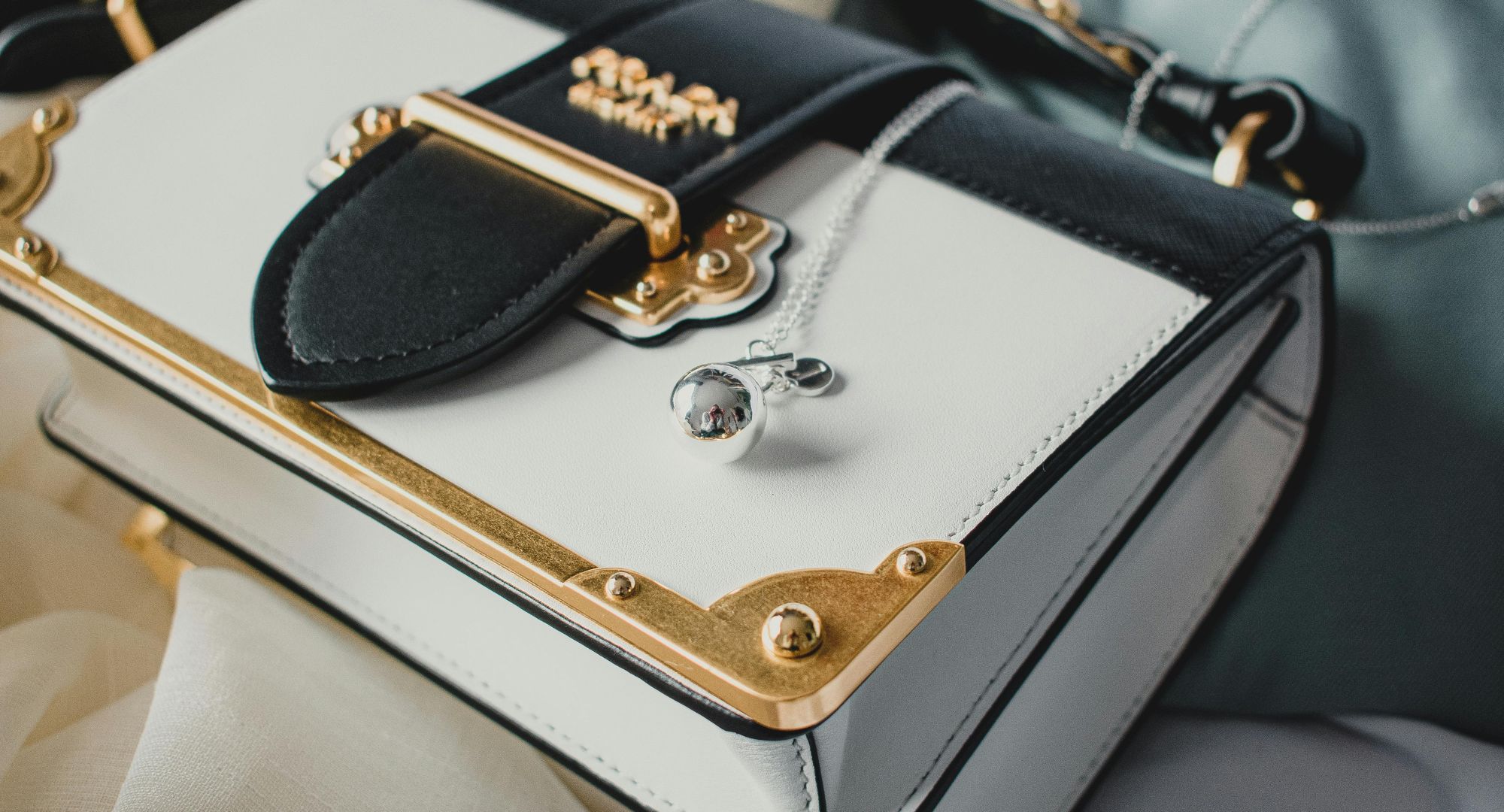
Chanel handbags have long transcended mere utility, evolving into emblems of refined taste and exceptional craftsmanship. While contemporary collections continue to captivate, it is the vintage pieces that hold a particular resonance for collectors. These rare artifacts not only offer a tangible connection to the brand’s storied past but also represent a compelling investment, frequently appreciating in market value over time. The journey of these iconic accessories took a pivotal turn with Karl Lagerfeld’s appointment as creative director in 1983. Tasked with revitalizing a house that had lost its founder, Coco Chanel, over a decade prior, Lagerfeld infused a dynamic, modern spirit while meticulously honoring its heritage. His early creations from the 1980s and 1990s are especially prized, embodying a period of profound reinterpretation. For instance, a Classic Flap bag, originally retailing for approximately $1,000 in the 1980s, can now command around $6,000 in excellent condition on the secondary market, underscoring the significant appreciation of these historical designs.
Lagerfeld’s initial contributions to Chanel’s handbag lineage from the 1980s and 1990s remain highly coveted by discerning collectors. His innovative interpretations of classic motifs were both unexpected and instantly desirable. A key distinguishing feature of these earlier pieces is the use of genuine 24-karat gold-plated hardware, evident on elements such as chains, clasps, and the signature CC turn-locks. This practice ceased around late 2008, when Chanel transitioned to gold-toned hardware, creating a subtle yet significant demarcation between vintage and more recent productions. Lagerfeld, a master of brand identity, adeptly modernized the luxury house, notably through his re-envisioning of the interlocking "CC" emblem. He famously articulated the power of logos as a universal language of luxury. Among the most iconic models from this transformative period are the Classic Flap with its distinctive Double C turn-lock, the practical yet elegant Camera Bag, the sophisticated Vanity Case, and the revered Diana Flap. These original designs from the 80s and 90s are particularly sought after for their historical significance and enduring aesthetic.

Acquiring a vintage Chanel handbag, often more than two decades old, requires a meticulous approach. While some signs of age and patina are inherent, careful inspection is paramount. Areas prone to wear, such as the base and corners, along with hardware for scratches and the leather for any imperfections, should be thoroughly examined. The good news for collectors is the availability of exceptional vintage pieces through reputable secondary markets and auction houses. Given the substantial demand for these items, the market for high-quality replicas has also expanded. Therefore, it is crucial to purchase exclusively from established resellers and auctioneers with proven expertise in authenticating vintage Chanel. The price of a vintage Chanel bag varies considerably, influenced by its age, condition, rarity, and materials. Classic styles, such as the 2.55 or Classic Flap in lambskin or caviar leather, typically begin around $3,000 to $6,000 on the secondary market, with rare or limited-edition versions fetching higher sums. Exceptional collector’s items, including early runway designs or pieces from the Karl Lagerfeld era, have achieved record prices. Not all vintage Chanel bags feature serial numbers; these were introduced in 1984 for authentication. Bags produced before this date will not have them, and some older pieces may have lost theirs over time. From 2021, Chanel transitioned to embedded metal microchips. Understanding these authentication nuances is vital for collectors. The secondary market offers unparalleled access to a curated selection of rare and collectible vintage Chanel bags, often at a more accessible price point than current retail, while providing the unique opportunity to discover pieces no longer available in boutiques.


Latest





Subscribe to our weekly update.




.png)
On social media


Plans

The is the Premium Dose Of LUXE LIST
Become a LUXE LIST Premium insider to get access to exclusvei Dose of Luxe newsletter content